Your gut is home to trillions of bacteria. Some are helpful. Some are not. The balance between them shapes everything from your digestion to your mood. Understanding what your gut microbiome actually needs is one of the most important things you can do for your health.
Research in 2025 and 2026 has advanced our understanding dramatically. Here is what the science actually says about supporting your gut health.
What Is the Gut Microbiome?
The gut microbiome refers to the trillions of bacteria, viruses, and fungi that live in your digestive tract. This community of microorganisms is now understood to play a crucial role in health and disease prevention. According to ScienceDirect, the century-long trajectory of gut microbiome research has reshaped how we think about diet and nutrition.
These tiny organisms help break down food, produce vitamins, regulate your immune system, and even influence your brain through the gut-brain axis. When the balance of these microorganisms is disrupted, it can contribute to a wide range of health issues.
Probiotics: The Beneficial Bacteria
Probiotics are live beneficial bacteria that can provide health benefits when consumed in adequate amounts. Fermented foods like yogurt, kefir, kimchi, sauerkraut, and miso are natural sources of probiotics.
Research from Nature in 2026 highlights that the International Scientific Association for Probiotics and Prebiotics (ISAPP) has been working to establish clear definitions and scope for gut health interventions. This standardization helps distinguish evidence-based applications from marketing hype.

Prebiotics: The Fuel for Good Bacteria
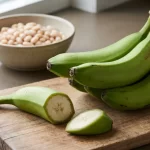
Prebiotics are types of dietary fiber that feed the beneficial bacteria in your gut. They are essentially the fuel that helps good bacteria thrive and multiply. Foods rich in prebiotics include garlic, onions, asparagus, bananas, and whole grains.
According to research published in Nutrients in 2026, prebiotics work by selectively stimulating the growth and activity of beneficial bacteria. This leads to the production of short-chain fatty acids (SCFAs), which are important for gut barrier function and overall health.
The Role of Synbiotics
Synbiotics are synergistic combinations of specific probiotics and prebiotics designed to confer enhanced health benefits. Rather than taking arbitrary combinations, research is moving toward rationally designed synbiotic products that target specific outcomes.
When shopping for gut health products, look for those that combine specific probiotic strains with complementary prebiotic fibers. This approach is more likely to deliver measurable benefits.
Diet and Gut Health
Diet is one of the most powerful modulators of the gut microbiome. A diet rich in diverse plant foods supports a more diverse microbiome, which is generally associated with better health outcomes.
Research from Gut Microbiota for Health highlights that integrative approaches combining diet with strain-specific probiotics may offer effective strategies for managing symptoms associated with carbohydrate malabsorption, including irritable bowel syndrome-type symptoms.
Signs Your Gut Might Need Support
While not diagnostic, several signs may indicate your gut microbiome could use some support:
Digestive discomfort: Regular bloating, gas, or irregular bowel movements can sometimes be related to microbiome composition.
Frequent illness: Since about 70% of your immune system resides in your gut, frequent infections may indicate gut-related immune dysfunction.
Food sensitivities: New or worsening food sensitivities sometimes correlate with gut barrier function and microbiome changes.
Low energy: An imbalanced gut can affect nutrient absorption, potentially leading to fatigue.

Practical Steps for a Healthier Gut
Start with food: Incorporate more fermented foods like yogurt, kefir, and sauerkraut into your diet. These provide natural probiotics.
Feed your bacteria: Eat a variety of prebiotic-rich foods including garlic, onions, bananas, and whole grains.
Increase fiber: A high-fiber diet supports the growth of beneficial bacteria and the production of short-chain fatty acids.
Consider diversity: Try to eat 30 different plant foods per week. Research links greater plant diversity with a healthier microbiome.
Be cautious with antibiotics: While sometimes necessary, antibiotics can disrupt the gut microbiome. If you need to take them, discuss strategies for restoring balance afterward.
The science of gut health continues to evolve rapidly. What is clear is that caring for your gut microbiome through diet and lifestyle is one of the most evidence-based steps you can take for overall health. Start with small, sustainable changes and pay attention to how your body responds.