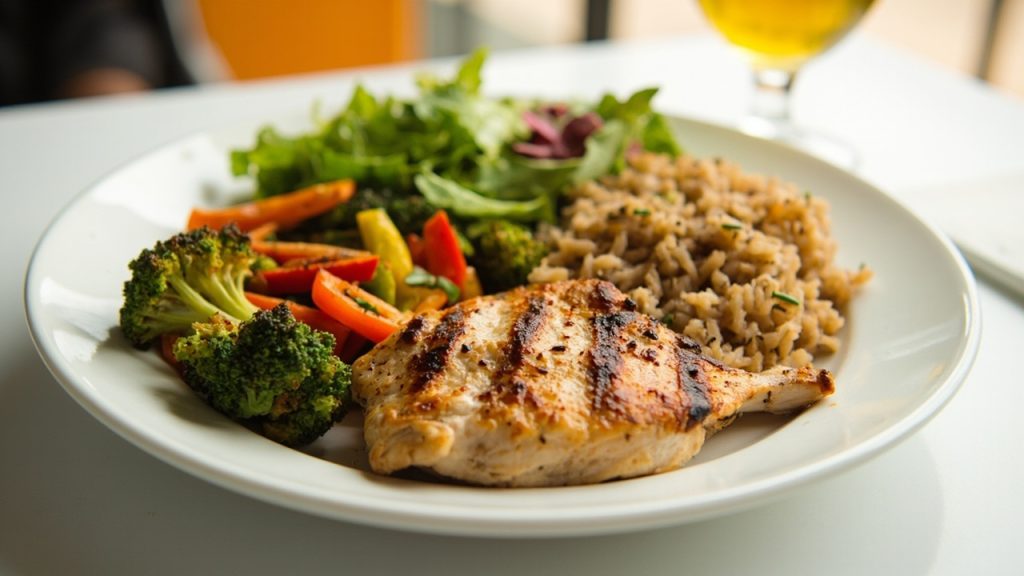
You stare at your plate. It looks okay. But is it actually good for you? The truth is, building a truly balanced meal is more science than guesswork. And understanding how to do it right can change the way you eat forever.
Forget crash diets and rigid food rules. The most effective approach to eating well is grounded in real research. Here is what scientists actually know about building meals that fuel your body and keep you satisfied.
Protein at Every Meal: The Muscle Maintenance Rule
Research from the University of Illinois found that consuming 25 to 30 grams of protein at each meal maximizes muscle protein synthesis throughout the day. This is not just for bodybuilders. It matters for everyone. Maintaining muscle supports a healthy metabolism and helps you stay full between meals.
What does 25 to 30 grams actually look like? About three to four ounces of chicken breast, a cup of Greek yogurt, or a serving of lentils. Adding a protein source to every plate is one of the simplest changes you can make.
The Time-Restricted Eating Window
When you eat matters almost as much as what you eat. Research from the Salk Institute, published in Cell Metabolism, demonstrates that confining your eating to a consistent 8 to 12 hour window can improve insulin sensitivity, support liver function, and align with your body’s natural circadian rhythms.
This does not mean skipping breakfast or starving after dinner. It means being intentional about the overall eating window. Try finishing dinner by 7 or 8 PM and not eating again until 7 or 8 AM. This consistency signals your body that it can focus on repair and restoration during the fasting window.
The Balanced Plate Method
Harvard’s School of Public Health offers a straightforward framework: fill most of your plate with vegetables and complex carbohydrates, like whole grains. Add a protein source. Use smaller portions of higher-calorie foods on the side.
Eating from plates or bowls rather than directly from containers also helps. It forces you to be present with your food and tune into hunger cues. When you eat distracted, you tend to overeat without realizing it.
Meal Prep with Leftovers in Mind
Healthy eating does not have to mean cooking every single meal from scratch. In fact, the opposite can lead to burnout. The smarter strategy is to prepare extra vegetables, grains, or proteins with the intention of using them in different meals throughout the week.
Transform leftovers into salads, soups, wraps, or grain bowls. This keeps things interesting and reduces food waste. Planning ahead does not have to be complicated. A simple roast chicken on Sunday can become tacos on Monday and a grain bowl on Wednesday.

The MIND Diet: Brain Health on Your Plate
Research has found that the MIND diet, which combines elements of the Mediterranean diet and the DASH diet, substantially slows cognitive decline with age. The diet emphasizes berries, leafy green vegetables, nuts, whole grains, and fish. It limits red meat, butter, cheese, and fried foods.
Following this eating pattern does not require perfection. Even partial adherence shows benefits. Adding one serving of leafy greens per day and swapping refined grains for whole ones is a solid starting point.
Practical Steps to Get Started
The best meal plan is the one you will actually follow. Here is how to start without overwhelming yourself:
Start with one meal: Focus on breakfast first. Add a protein source like eggs or Greek yogurt. Pair it with fiber from fruit or whole grains. This single change can reduce mid-morning cravings.
Batch cook once a week: Roast a sheet pan of vegetables and grill or bake a protein source. Store them in containers. During the week, mix and match them with different grains and seasonings.
Keep healthy staples on hand: Frozen vegetables, canned beans, whole grain pasta, and nuts all have long shelf lives. They make it easier to throw together a balanced meal even on busy days.
Listen to your body: Notice how different meals affect your energy and fullness. A meal balanced with protein, fiber, and healthy fats will generally keep you satisfied longer than one heavy on refined carbohydrates.

Making It Stick Without Obsessing
Healthy eating is not about perfection. It is about building consistent habits that serve you over time. There will be days when you eat perfectly and days when you grab fast food. Both are part of life.
The goal is not an ideal diet. The goal is a sustainable pattern that supports your health, energy, and well-being. Start small. Pick one change this week. Build from there. Your plate is one of the most powerful tools you have. Use it wisely.