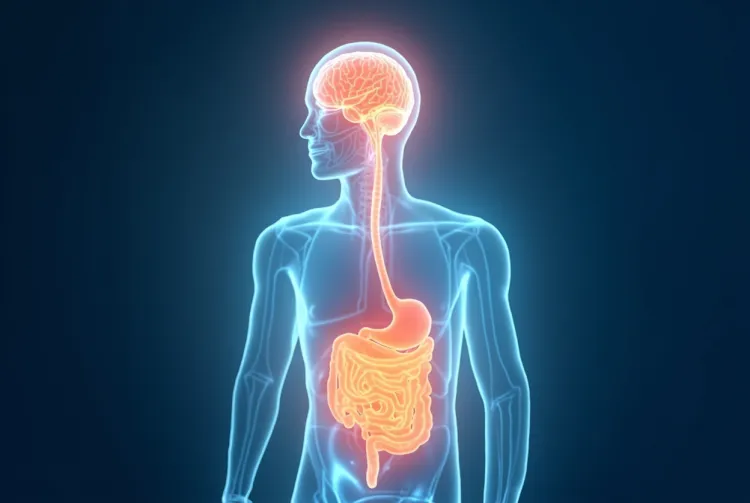
The phrase gut feeling has been around long enough that it has lost most of its literal meaning. But the science behind it is more literal—and more fascinating—than the metaphor suggests. Your gut contains roughly 500 million neurons, more than the spinal cord. It communicates directly with your brain through the vagus nerve, and the conversation is two-way.
This gut-brain axis is not fringe science. It is established physiology. What is still being worked out is just how much your gut health influences your mental state, and how much your mental state influences your gut health.
The Microbiome and Mood Connection

Your gut microbiome—the community of trillions of bacteria living in your digestive tract—produces a significant portion of your neurotransmitters, including about 90% of your serotonin. This is not a minor detail. Serotonin is the primary regulator of mood, sleep, and appetite. If the bacteria that produce it are disrupted, your serotonin supply may be affected.
Studies in mice have been particularly striking. Germ-free mice—raised without any gut bacteria—show exaggerated stress responses and anxiety-like behaviors compared to normal mice. When these mice receive fecal transplants from calm, healthy donors, their behavior normalizes. The opposite also works: anxious mice can transmit anxious behavior through stool transplants.
Human evidence is more preliminary but consistent. People with depression, anxiety, and irritable bowel syndrome consistently show different gut microbiome compositions compared to healthy controls. Whether the microbiome differences cause the mood disorders, result from them, or both is still being worked out—but the correlation is robust.
The Stress-Gut Feedback Loop

Your gut is exquisitely sensitive to stress. Chronic stress increases gut permeability—what researchers call leaky gut—allowing bacterial byproducts and undigested food particles to enter the bloodstream. This triggers low-grade inflammation, which itself can affect brain function and mood. Stress also alters the composition of the microbiome, reducing beneficial bacteria and allowing potentially harmful ones to proliferate.
At the same time, gut dysfunction amplifies stress responses. An unhealthy microbiome produces more inflammatory compounds that signal to the brain through the vagus nerve. This can lower the threshold for anxiety and make the stress response system more reactive. You get a positive feedback loop: stress disrupts the gut, disrupted gut increases anxiety, increased anxiety increases stress.
What Damages the Microbiome
Several modern lifestyle factors are known to disrupt the gut microbiome. Antibiotics, while sometimes necessary, wipe out beneficial bacteria along with harmful ones. The impact is usually temporary, but repeated courses—especially in early childhood—may have lasting effects on microbiome development.
The Western diet is another major factor. Low fiber intake starves beneficial bacteria that depend on it for survival. High sugar and ultra-processed food intake promotes less beneficial bacterial species. Alcohol, particularly heavy drinking, reduces microbiome diversity and damages the gut lining.
Poor sleep and sedentary behavior also correlate with reduced microbiome diversity. The relationships are complex and bidirectional, but the pattern is consistent: people with healthier lifestyles tend to have more diverse and resilient microbiomes.
What Actually Supports Gut-Brain Health
Diet is the most powerful lever. Fiber is the primary fuel for beneficial bacteria. Eating a wide variety of plants—research suggests 30 different types per week—is associated with the most diverse microbiomes. Fermented foods—yogurt, kefir, kimchi, sauerkraut, miso—introduce beneficial organisms and have been associated with reduced inflammatory markers in clinical trials.
A 2021 Stanford study compared a high-fiber diet against a high-fermented-food diet. The fermented food group showed significantly greater improvements in microbiome diversity and larger reductions in inflammatory markers. This suggests that both fiber and fermented foods are valuable, and that combining them is probably optimal.
Stress management is the other major component. Practices that activate the parasympathetic nervous system—mindfulness, yoga, spending time in nature, social connection—tend to support gut barrier integrity and microbiome balance. The relationship is real and bidirectional: a healthier gut makes stress easier to manage, and better stress management makes for a healthier gut.