Nutrition advice is constantly changing. One decade fat is the enemy, the next it is carbohydrates. What has remained remarkably consistent, however, is the growing evidence that ultra-processed foods are bad for you—and the growing evidence that most people do not really know what counts as ultra-processed.
The NOVA classification system, developed by researchers at the University of Sao Paulo, groups foods into four categories based on how much processing they have undergone. Ultra-processed foods—Category 4—are not just modified slightly. They are industrially manufactured products made mostly or entirely from substances derived from foods and additives, with little or no intact original food.
Understanding what this actually means in your daily diet is more useful than obsessing over individual nutrients.
What Makes a Food Ultra-Processed

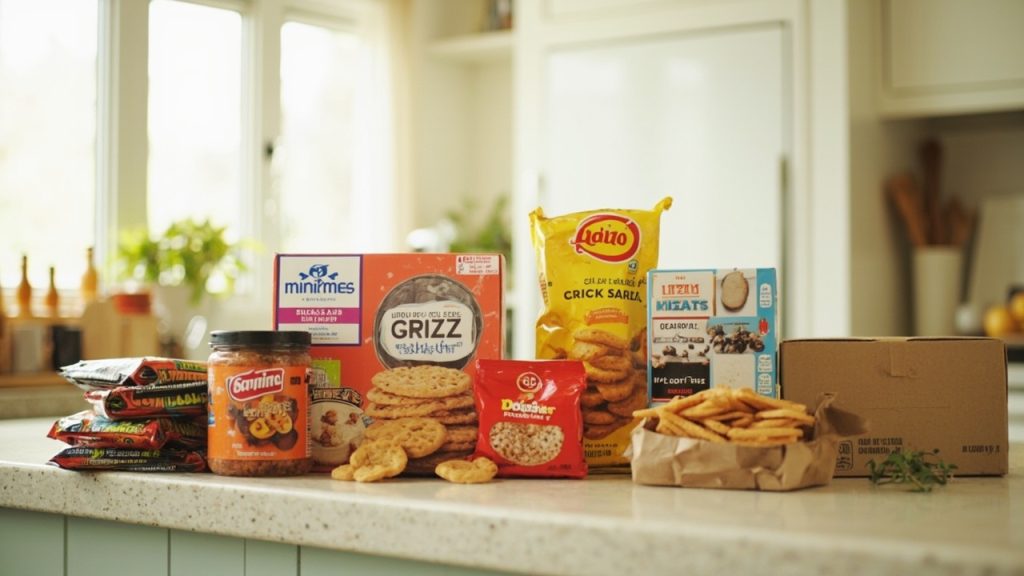
The definition is more specific than just food that comes in a package. Category 1 is unprocessed or minimally processed foods—fruits, vegetables, eggs, meat, milk. Category 2 is processed culinary ingredients—flour, oil, butter, sugar, salt. Category 3 is processed foods made by combining Categories 1 and 2—canned vegetables, cheese, freshly baked bread. Category 4 is ultra-processed, which includes soft drinks, packaged snacks, reconstituted meat products, instant noodles, industrial breads, breakfast cereals, and most packaged desserts.
The distinguishing features are that ultra-processed foods contain ingredients you would not find in a home kitchen—high-fructose corn syrup, hydrogenated oils, protein isolates, flavor enhancers, emulsifiers—and they are designed to be convenient, hyper-palatable, and low-cost. They are engineered for appetite stimulation, shelf stability, and profit margins, not for nutritional completeness.
A useful rule of thumb: if the ingredient list has things you cannot picture in your kitchen or cannot pronounce, it is probably ultra-processed.
What the Research Actually Shows

The evidence linking ultra-processed food consumption to negative health outcomes has grown substantially. Large observational studies consistently find associations between higher ultra-processed food intake and increased risk of obesity, type 2 diabetes, cardiovascular disease, depression, and all-cause mortality.
A 2024 meta-analysis in the BMJ found that higher ultra-processed food consumption was associated with a 20-30% increased risk of adverse health outcomes including cardiovascular disease, cancer, and mortality. The association held after adjusting for overall diet quality, suggesting the effect is not entirely explained by the nutritional content of these foods.
The proposed mechanisms are multiple. Beyond the nutritional profile—high in sugar, salt, unhealthy fats, and low in fiber—ultra-processed foods may affect appetite regulation, gut microbiome composition, and trigger inflammatory responses. The additives themselves, including emulsifiers and artificial colors, have raised concerns in animal studies, though human evidence is still developing.
The Practical Problem
Ultra-processed foods are deeply embedded in the modern food environment. They are everywhere, they are cheap, they are convenient, and they are engineered to be addictive. For many people—particularly those with limited time, limited cooking skills, or limited income—reducing ultra-processed food intake is not as simple as making a different choice. The food environment shapes eating behavior in ways that individual willpower is not equipped to override consistently.
This does not mean individual choices do not matter. They do. But meaningful change usually requires either changing the environment or building skills and habits that make cooking at home more accessible and sustainable.
What Actually Helps
Small, realistic changes tend to outperform dramatic overhauls. Swapping one ultra-processed item per day for a minimally processed equivalent is more sustainable than trying to eliminate all processed foods simultaneously. Making beans from a can versus dried is still a win. Frozen vegetables without sauce are better than potato chips.
If you want to reduce ultra-processed food intake, a good starting place is looking at where it fits in your diet specifically. Is it breakfast? Convenient because there is no time to cook. Is it snacks in the afternoon? Convenient because the office vending machine is there. Is it dinner? Convenient because you are exhausted and cooking feels like too much after work.
Each of those situations has different solutions. Batch cooking on the weekend solves the dinner problem. Having a bag of nuts at your desk solves the vending machine problem. Overnight oats solves the breakfast problem. The goal is not perfection—it is finding the specific points where a small change makes a meaningful difference without creating unsustainable friction.