
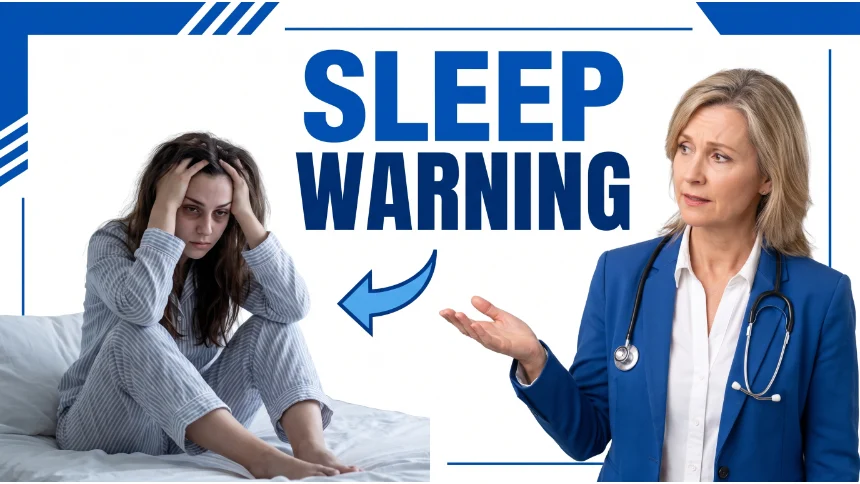
Obstructive sleep apnea happens when your throat muscles relax too much while you rest. Over and over, your airflow gets blocked for short periods. Even if you never fully wake up, these tiny interruptions wreck the quality of your deep sleep.
Men tend to show obvious, loud symptoms. Women’s warning signals are far easier to overlook. Go through this checklist slowly and ask yourself, how many of these sound familiar?
Night‑time signs to watch for
‑ You lie awake for long stretches, or wake up several times overnight without an obvious reason ‑ You get out of bed to use the bathroom far more often than usual while sleeping ‑ You wake up with a dry, scratchy throat or a racing heartbeat ‑ Mild, quiet snoring that you barely notice, or no snoring at all ‑ Sweating heavily in your sleep, and vivid, unsettling dreams
Morning and daytime red flags
‑ You spent 7‑9 hours in bed, yet wake up feeling completely drained, like you never rested ‑ Dull, throbbing headaches that hit first thing in the morning and fade after an hour ‑ Constant brain fog, trouble focusing, and short‑term memory slips ‑ Quick to feel irritable, sad, or emotionally worn‑out for no clear cause ‑ Heavy, unshakable daytime fatigue that coffee cannot fix
If 3 or more of these symptoms keep popping up month after month, sleep‑related breathing trouble could very well be part of the problem.

Who Has A Higher Risk?
Sleep apnea risk is not one‑size‑fits‑all for women. Hormone shifts play a huge hidden role in how well your airway stays open at night.
- After menopause: Falling estrogen levels make throat muscles more likely to relax. Sleep apnea risk jumps sharply once menopause begins, becoming almost equal to men’s risk level.
- During pregnancy: Extra weight and hormone changes can narrow your airway, raising your odds of breathing disruptions while you sleep.
- Weight and body shape: Extra weight around your neck and upper body puts gentle pressure on your airway when you lie flat.
- Existing health conditions: Polycystic ovary syndrome, thyroid issues, and long‑term high blood pressure all raise your chances of developing nighttime breathing problems.
- Lifestyle triggers: Regular alcohol, sedating sleep aids, and smoking loosen throat muscles and worsen airway blockage overnight.
This does not mean you will automatically develop sleep apnea if you fit one of these groups. It simply means you will want to pay extra close attention to your sleep quality and energy levels.
Why So Many Women Get Misdiagnosed
The classic sleep‑apnea symptom checklist was built mostly from research done on men. Doctors often look for loud snoring as their main clue.
Since women tend to have subtler symptoms, their complaints of insomnia, tiredness, and low mood get labelled as anxiety, depression, or menopause. The real root cause‑‑broken nighttime breathing‑‑gets missed for years.
If you have tried sleep tips, stress management, or mood support and still feel exhausted, it may be time to ask your doctor about a formal sleep assessment.

Simple Diet & Lifestyle Habits To Support Night‑Time Breathing
These daily changes are supportive lifestyle adjustments, not medical treatment for sleep apnea. If you suspect you have sleep‑breathing issues, always work alongside a health‑care provider for official testing.
Food and drink adjustments
‑ Cut back on alcohol 3‑4 hours before bed: Alcohol relaxes throat muscles and makes airway collapse far more likely ‑ Watch your late‑night heavy meals: Large, rich dinners, spicy food, and sugary snacks close to bedtime can trigger acid reflux, which irritates your airway and worsens sleep breaks ‑ Limit caffeine after 2 pm: Late caffeine messes with your natural sleep rhythm, making fragmented nighttime wake‑ups worse ‑ Add anti‑inflammatory whole foods: Leafy greens, fatty fish, nuts, berries, and olive oil help lower overall body inflammation, supporting softer, healthier airway tissue.
Sleep‑time habits
‑ Sleep on your side instead of your back: Lying flat on your back lets gravity pull your throat tissue down, increasing blockage risk. A small pillow behind your back can stop you rolling onto your back overnight. ‑ Keep your bedroom slightly elevated: Raising the head end of your bed a few inches takes pressure off your airway. ‑ Maintain a steady sleep schedule: Going to bed and waking up at the same time every single day strengthens your body’s natural sleep cycle.
Long‑term daily routines
‑ Gentle, consistent movement: Brisk daily walking, yoga, and strength training help maintain a healthy neck and body composition. Even 30 minutes most days of the week makes a difference. ‑ Quit smoking: Tobacco smoke swells and irritates your throat lining, tightening your airway while you rest. ‑ Manage stress levels: High stress creates muscle tension across your neck, shoulders and jaw, which can narrow breathing passages at night. Short evening breathing exercises work well here.
When You Should Talk To A Medical Professional
Lifestyle tweaks are fantastic for sleep health, but they cannot fix moderate‑to‑severe sleep apnea on their own. Reach out to a sleep specialist if: ‑ Multiple hidden symptoms show up nearly every night for months ‑ Your partner has noticed you pause breathing or gasp during sleep ‑ Morning headaches, mood swings, and daily tiredness do not improve after several weeks of lifestyle changes ‑ You already live with high blood pressure, thyroid or hormone‑related health concerns
Getting tested is the only reliable way to know for sure what is going on while you sleep.
Final Takeaway
Sleep apnea in women rarely looks like the textbook signs we see online. Quiet, overlooked symptoms‑‑persistent insomnia, morning headaches, endless fatigue, and low mood‑‑are often the biggest clues.
Pay attention to the pattern of your sleep, energy and mood. Small, steady changes to your evening diet, sleep position, and daily habits can support better‑quality breathing overnight. And when symptoms stick around, never hesitate to ask for a full sleep evaluation.
Frequently Asked Quick Answers
Q: Do I have to snore loudly to have sleep apnea? A: No. Loud snoring is far less common in women with sleep‑breathing issues. Many women have almost no obvious snoring at all, which is exactly why the condition slips past detection.
Q: Can fixing my sleep schedule and diet cure sleep apnea? A: Lifestyle and nutrition changes are powerful supportive tools, but they are not a replacement for professional sleep testing and official medical treatment when you have confirmed sleep apnea.
Q: Are sleep apnea symptoms permanent after menopause? A: Hormone changes raise your risk, but lifestyle adjustments, proper sleep positioning, and medical support can greatly reduce nighttime breathing disruptions and improve your rest.