Fiber is easy to overlook. You may eat three meals a day, avoid obvious junk food, and still get less fiber than your body needs. That is because many common meals rely heavily on refined grains, meat, dairy products, and packaged foods, while providing relatively few beans, vegetables, fruits, or whole grains.
Dietary fiber supports normal bowel function and can help you build a more satisfying, balanced eating pattern. Getting enough does not require special powders or expensive foods. In many cases, a few everyday changes can make a meaningful difference.
What Dietary Fiber Actually Does
Dietary fiber is a type of carbohydrate found naturally in plant foods that the body does not fully digest. Different types of fiber behave differently, which is one reason a varied diet is more useful than relying on a single high-fiber food.
Some fiber helps add bulk to stool and supports regular bowel movements. Other types absorb water or form a gel in the digestive tract. Certain fibers can also be fermented by gut bacteria, producing substances that help support the intestinal environment.
Fiber-rich foods often provide other valuable nutrients, too. Beans, vegetables, fruit, nuts, seeds, and whole grains can contribute vitamins, minerals, and other plant compounds alongside fiber.
How Much Fiber Do You Need?
Fiber needs vary with age, sex, energy needs, and the guidance used in your country. As a practical reference, the U.S. National Academies set adequate intake levels of 25 grams per day for adult women aged 19–50 and 38 grams per day for adult men in the same age range. Recommendations are lower for many older adults and vary across guidelines.
You do not need to hit a precise number every day to benefit from improving your diet. If your current meals contain few plant foods, start by adding one reliable source of fiber to a meal you already eat. Gradual, consistent changes are often easier to maintain than trying to transform your entire diet overnight.
Signs Your Diet May Be Low in Fiber
Infrequent or difficult bowel movements. Fiber helps support stool bulk and consistency, while fluids help fiber do its job. A low-fiber eating pattern may contribute to constipation, although medications, activity levels, health conditions, and other factors can also play a role.
Meals that do not keep you satisfied. Many high-fiber foods take longer to eat and can help make meals more filling. If you regularly feel hungry soon after eating, consider whether your meals include enough fiber-rich foods alongside protein and healthy fats. Hunger alone, however, is not proof that you lack fiber.
Few plant foods in your usual routine. A diet built mostly around white bread, refined cereal, meat, cheese, and convenience foods may provide limited fiber. Looking at your typical meals over several days can reveal more than focusing on one meal or one symptom.
These patterns are clues, not a diagnosis. Digestive symptoms can have many causes, so persistent or severe problems should not automatically be attributed to fiber intake.
Everyday Foods That Make It Easier to Get More Fiber
You can find fiber in a wide range of affordable, familiar foods. There is no single food that you must eat, and you do not need to buy products marketed specifically as high-fiber foods.
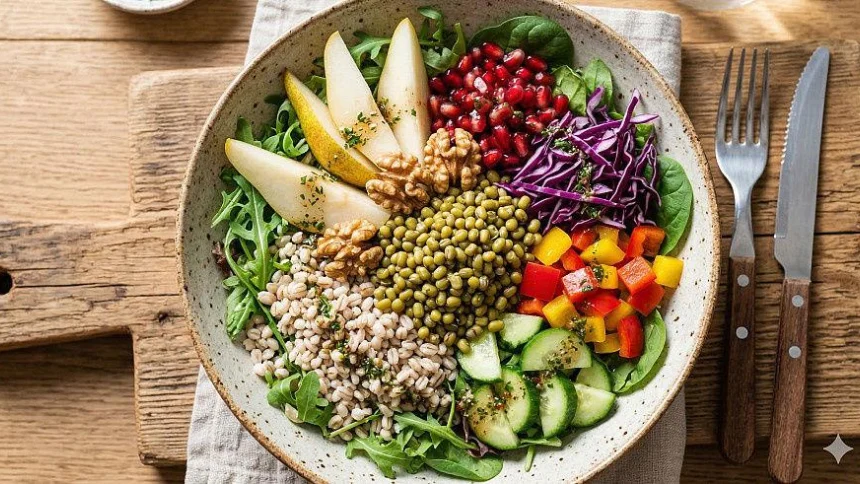
- Beans, lentils, and peas: Add them to soups, salads, stews, grain bowls, or pasta dishes.
- Whole grains: Try oats, barley, brown rice, whole-wheat bread, or whole-wheat pasta more often.
- Fruit: Pears, berries, apples, oranges, and other whole fruits contribute fiber. Eating fruit whole generally provides more fiber than drinking its juice.
- Vegetables: Broccoli, carrots, green peas, leafy vegetables, and other produce can increase the fiber content of everyday meals.
- Nuts and seeds: Chia seeds, ground flaxseed, almonds, and other nuts and seeds provide fiber in modest portions.
Frozen and canned vegetables, fruit, and beans can be convenient choices. For canned beans, draining and rinsing them may reduce some of the sodium in the packing liquid. Choose options that fit your budget, preferences, and dietary needs.

Simple Ways to Add Fiber to Your Meals
The easiest changes are often small substitutions rather than adding an entirely new meal.
At breakfast, choose oatmeal or a whole-grain cereal with a useful amount of fiber. Add berries, a sliced pear, or a spoonful of chia seeds if you enjoy them. Check cereal labels because products that look similar can differ considerably in fiber and added sugar.
At lunch, add beans or lentils to soup, use whole-grain bread when practical, or include an extra serving of vegetables. If you usually buy lunch, look for meals that contain vegetables, beans, or whole grains instead of relying only on refined starches and meat.
At dinner, try replacing part of a refined grain serving with brown rice, barley, or another whole grain. You can also add lentils to a stew or serve vegetables alongside your usual main dish. There is no need to eliminate foods you enjoy to make room for more fiber.
For snacks, consider whole fruit, a small handful of nuts, or vegetables with hummus. These are options rather than rules; the best choice is one you like and can realistically keep in your routine.
Increase Fiber Gradually to Avoid Discomfort
If you currently eat very little fiber, increasing it sharply can cause gas, bloating, or abdominal discomfort. This does not necessarily mean fiber is unsuitable for you. Your digestive system may simply need time to adjust.
Add one or two fiber-rich foods at a time and increase portions gradually over days or weeks, depending on how you feel. For example, you might begin with oatmeal at breakfast or beans in one meal, then add another source once that change feels comfortable.
Drink fluids regularly as well. Fiber absorbs water, and adequate fluid intake can help support softer stools, particularly when you increase fiber. Individual fluid needs vary with activity, climate, health, and medical advice.
More is not always better for everyone. Some digestive conditions require individualized fiber guidance, and certain types of fiber may worsen symptoms for some people. If you have a diagnosed gastrointestinal condition, a history of bowel narrowing, or specific dietary restrictions, ask a qualified healthcare professional about an appropriate approach.
Do You Need a Fiber Supplement?
Many people can increase their fiber intake through ordinary foods. Supplements may be useful in some situations, but they are not automatically necessary simply because you want to improve your diet.
If you are considering a supplement, check the type of fiber, serving instructions, and potential side effects. Introduce it carefully and take it with the amount of fluid specified on the product label. Some supplements can affect the absorption of certain medicines, so ask a pharmacist or clinician whether you need to separate doses.
Do not use a supplement to ignore persistent constipation, unexplained changes in bowel habits, or ongoing abdominal pain. These symptoms may need assessment rather than simply more fiber.

When Digestive Symptoms Need Medical Attention
Constipation and bloating are common, but they should not always be treated as signs of a low-fiber diet. Seek medical advice if symptoms persist, keep returning, or represent a noticeable change from your usual bowel habits.
Severe abdominal pain, vomiting, a swollen abdomen, or an inability to pass stool or gas may require urgent medical assessment, especially when these symptoms occur together. Blood in the stool, unexplained weight loss, or ongoing changes in bowel habits also deserve prompt attention.
If you have a health condition that affects digestion, swallowing, or fluid intake, dietary changes may need to be tailored to your situation. A clinician or registered dietitian can help you identify a safe and practical plan.
Build a Routine You Can Maintain
You do not have to redesign your diet in a single day. Start by noticing which meals contain little plant food, then choose one easy improvement: oats instead of a low-fiber breakfast cereal, beans added to soup, a piece of whole fruit instead of juice, or a whole grain in place of a refined grain.
Repeat the changes you enjoy and add variety over time. A steady pattern of vegetables, fruits, legumes, nuts, seeds, and whole grains is usually more practical than chasing a perfect daily number. Small choices, repeated consistently, can help you get more fiber while keeping meals satisfying and enjoyable.